
DIY Hyaluronic Acid (HA) Serum
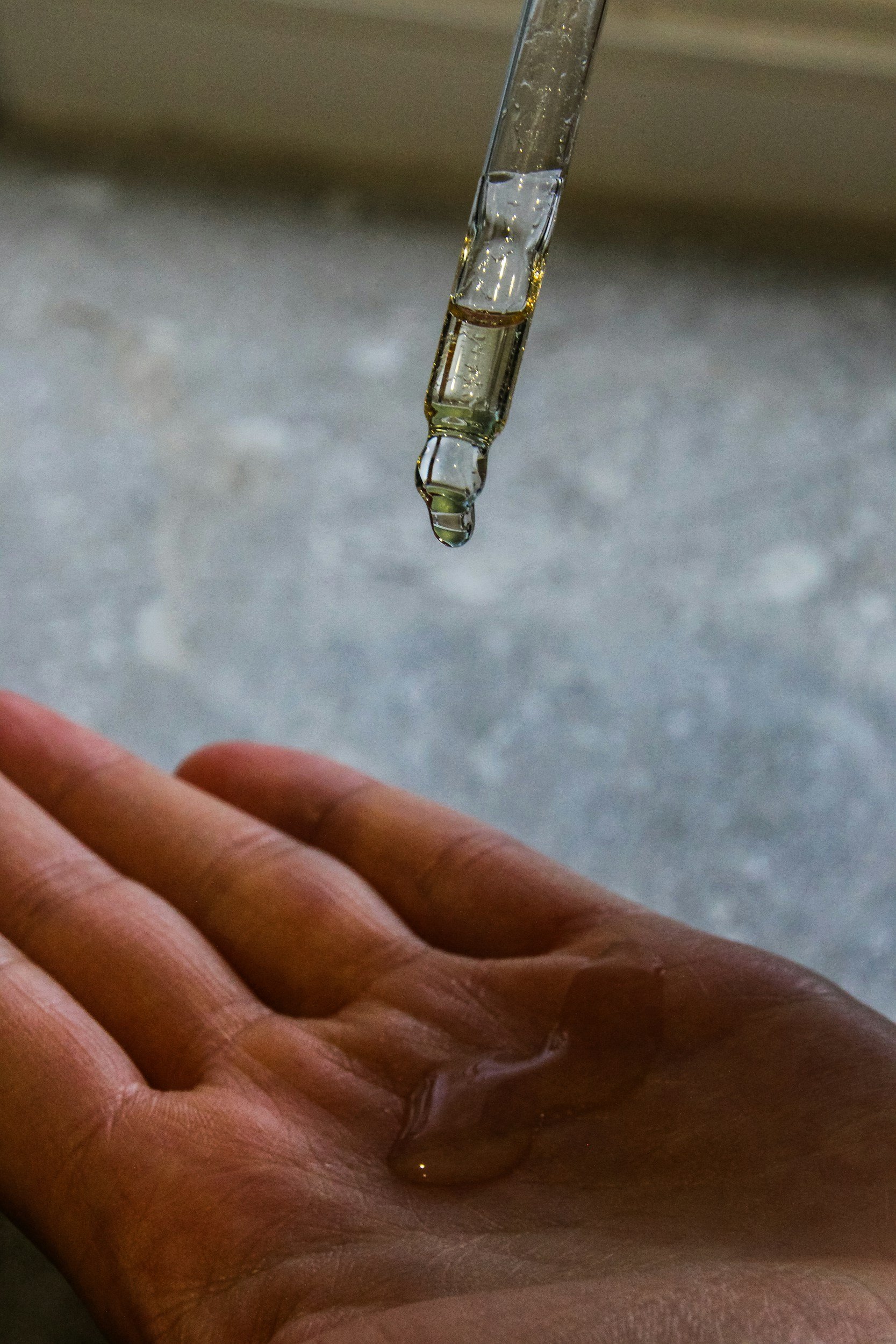
A simple, hydrating serum made with high molecular weight hyaluronic acid to help plump, smooth, and support the skin barrier.
Yield: About 6 oz serum
Prep Time: 5 minutes active | 1 hour (or overnight) resting time
What you'll need:
6 oz distilled water
3 small scoops high molecular weight hyaluronic acid powder
(about ¼ teaspoon per scoop)
Use cosmetic-grade HA; vegan if preferred
Recommended brands (cosmetic-grade):
Optional:
5–9 drops Vitamin E oil (tocopherol or tocotrienol)
Acts as a mild preservative and supports skin healing
Equipment:
Clean 6+ounce glass container with airtight lid (for mixing)
Dark glass dropper (for storage)
Clean spoon or stirrer
How to make it
Prepare your workspace. Clean all utensils, containers, and surfaces to avoid contamination.
Combine water + HA powder
Add distilled water to your glass container.
Sprinkle the hyaluronic acid powder over the surface of the water.
Cover tightly and shake vigorously.
The mixture will look clumpy—this is normal.Rest & hydrate
Refrigerate the covered mixture for at least 1 hour, or until fully dissolved. Overnight is preferred.Add optional ingredients
Once the serum has set, stir in Vitamin E oil if using, until well combined.Store the serum
Transfer to a dark glass bottle to protect from light.
Store in the refrigerator.
Storage & Shelf Life
Keep refrigerated for 1–2 weeks.
Discard if you notice discoloration or a change in smell.
When in doubt, make a fresh batch.
How to Use
Apply to damp skin to help hyaluronic acid draw in moisture.
Follow with a plant oil (like argan or jojoba) or your favorite moisturizer to seal it in.
Notes
High molecular weight hyaluronic acid creates a thicker, gel-like texture that sits on the skin’s surface—ideal for hydration and barrier support. Low molecular weight HA goes deep and holds up to 1,000x its weight in water. If you’re not applying it to damp skin and sealing it in, it can actually pull moisture from deeper layers and leave skin feeling dehydrated.
This serum focuses on moisture retention rather than deep penetration.
This recipe came from @sadienardiniofficial on IG. She’s a lifelong anatomy and face exercise expert.